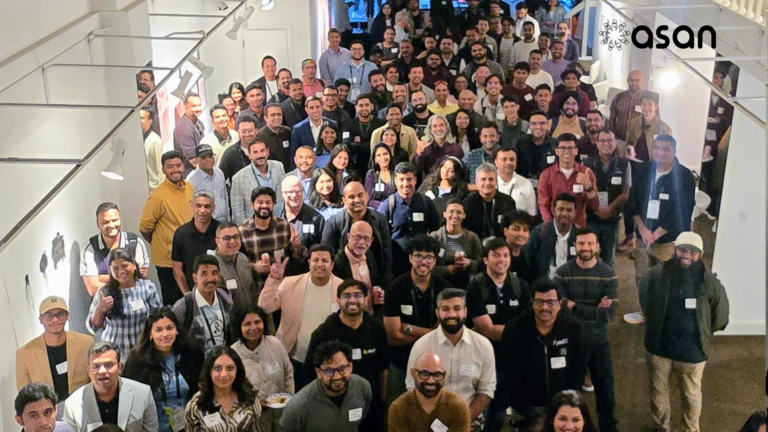
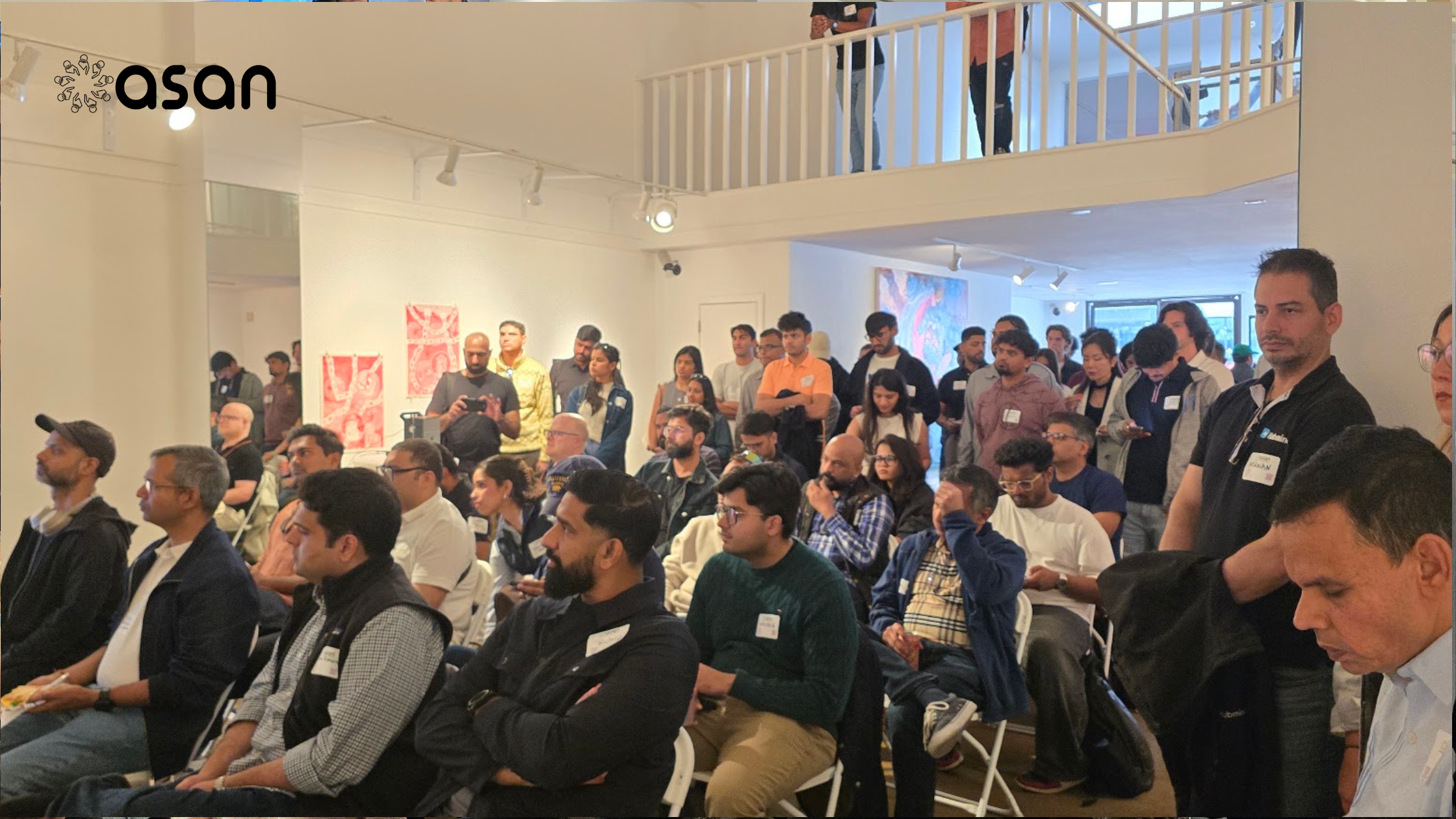
ASAN brought together founders, engineers, researchers, and investors developing intelligent technologies for the physical world.
Artificial intelligence is moving beyond screens and software applications into machines that can sense, interpret, and interact with the physical environment.
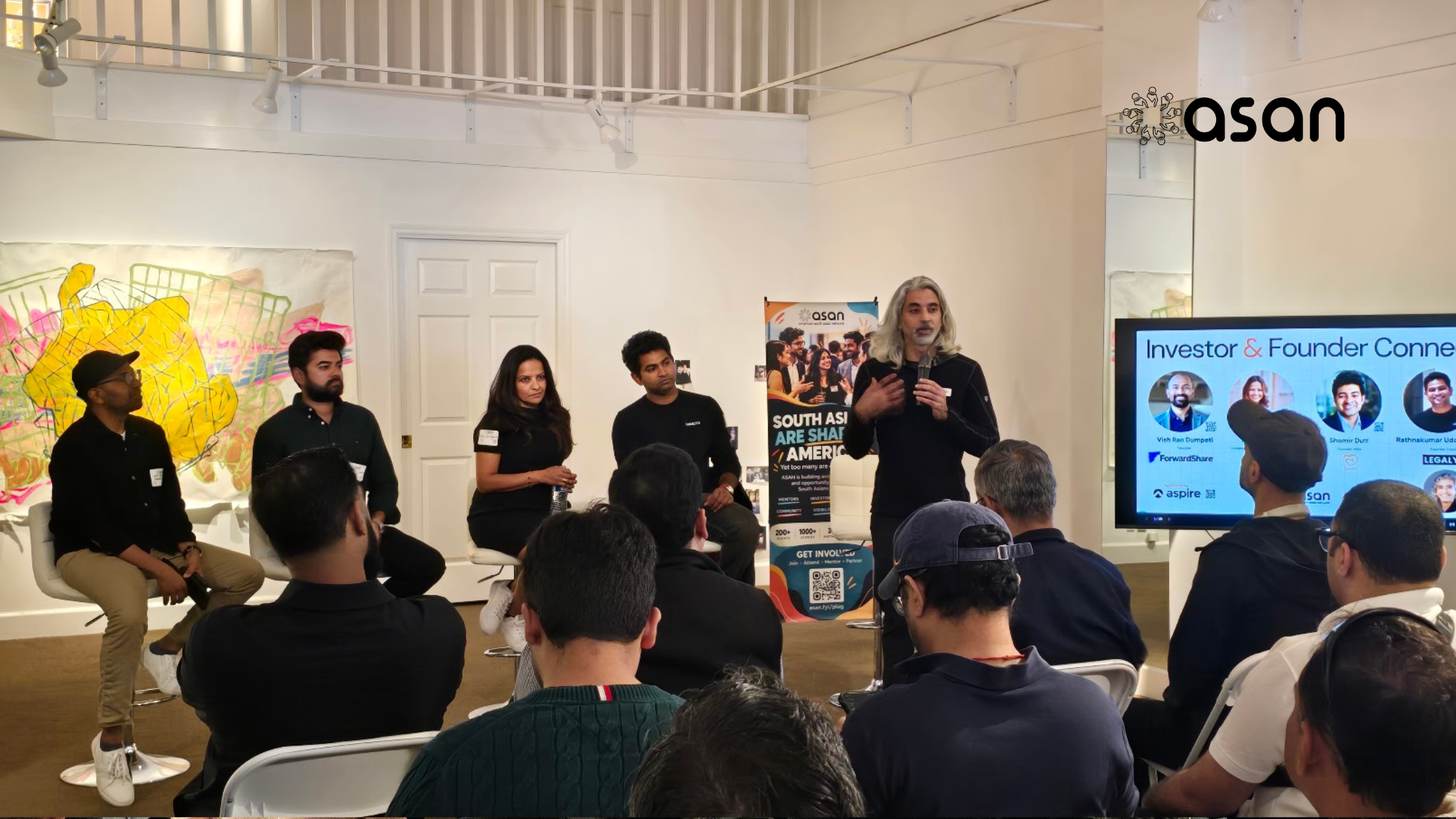
At the American South Asian Network's (ASAN) South Asians in Physical AI gathering during San Francisco Tech Week, professionals building technologies across defense, logistics, manufacturing, medicine, robotics, and space came together to exchange ideas and connect across disciplines.
Participants represented fields ranging from industrial automation and specialized robotic systems to autonomous machines and humanoid robotics.
The gathering reflected both the diversity of the physical AI ecosystem and the growing opportunities for collaboration among the people developing these technologies.
What Is Physical AI?
Physical AI refers to artificial intelligence integrated into machines and systems that interact with real-world environments.
Applications include robots operating in warehouses, autonomous vehicles navigating roads, intelligent manufacturing systems, and medical devices performing increasingly sophisticated tasks.
These systems combine AI with hardware engineering, sensors, perception, motion planning, and real-time decision-making.
Their development presents challenges that extend beyond conventional software, including safety, reliability, energy efficiency, physical constraints, and performance in unpredictable environments.
One Technology Frontier, Many Industries
The ASAN gathering brought together people addressing different parts of this emerging technological landscape.
In defense, autonomous systems are creating new possibilities for sensing, navigation, and operations in demanding environments.
In logistics and manufacturing, robotics and intelligent automation offer opportunities to improve operational efficiency and transform how goods are produced and moved.
In healthcare, applications range from medical robotics to intelligent devices and specialized automation.
In space, autonomous systems face unique challenges involving remote operation, environmental constraints, and technical reliability.
Humanoid robots represent another frontier, with researchers and companies exploring machines capable of operating in environments designed for people.
Despite their different applications, these fields share important technological challenges involving intelligence, mobility, physical interaction, and autonomy.
Connecting Builders Across the Physical AI Ecosystem
A robotics entrepreneur developing warehouse automation may discover relevant insights from someone working in defense or medical devices. An engineer working on autonomous mobility may encounter similar technical problems to a researcher designing intelligent machines for manufacturing.
Cross-industry connections can help professionals discover technical approaches, identify potential collaborators, and develop relationships with investors and industry partners.
The gathering brought these perspectives into one room, reflecting ASAN's commitment to connecting talent across industries and helping entrepreneurs and professionals access broader networks.
As physical AI evolves, communities capable of connecting expertise across disciplines can play an important role in advancing innovation and commercial opportunities.