Apple has tapped Amar Subramanya to serve as its vice president of artificial intelligence, a senior leadership move that signals how seriously the company is treating the next phase of Apple Intelligence across iPhone, iPad, and Mac. The change was disclosed in a December 1, 2025 press release from Apple Newsroom announcing that John Giannandrea, Apple’s senior vice president for Machine Learning and AI Strategy, is stepping down from his position and will remain as an advisor before retiring in the spring of 2026.
In Apple’s telling, the transition is both a succession and a structural reset. Subramanya will report to Craig Federighi, Apple’s senior vice president of Software Engineering, and will lead critical areas including Apple Foundation Models, machine learning research, and AI Safety and Evaluation. In the same announcement, Apple said the balance of Giannandrea’s organization will shift to two other senior executives, Sabih Khan and Eddy Cue, aligning pieces of the AI organization more closely with adjacent teams.
For South Asian Americans watching representation in technology leadership, Subramanya’s appointment is notable not only for the seniority of the role but also for the domain itself. Artificial intelligence has become the most competitive leadership battlefield in the industry, shaping product roadmaps, hiring, and long-term corporate strategy. Subramanya is described in diaspora coverage as an Indian American AI researcher and engineering leader with deep experience in large-scale machine learning systems.
Apple’s announcement emphasizes why he fits this moment. Subramanya most recently served as corporate vice president of AI at Microsoft and previously spent 16 years at Google, where he held roles including head of engineering for the Gemini Assistant. Apple framed that blend of research and product execution as essential to delivering future Apple Intelligence features, especially as the company tries to accelerate development and improve real-world user outcomes.
The hiring also lands in the middle of heightened scrutiny around Apple’s pace in generative AI. While Apple has a long record of integrating machine learning quietly into its products, consumer expectations shifted rapidly after the rise of large language models. Industry coverage has repeatedly pointed to delays and uneven rollouts as Apple tries to modernize Siri and integrate new capabilities across the operating system in a way that meets the company’s standards for privacy, safety, and reliability. In reporting around the leadership change, outlets summarized the move as a response to Siri setbacks and a sign that AI oversight is moving closer to Apple’s core software leadership.
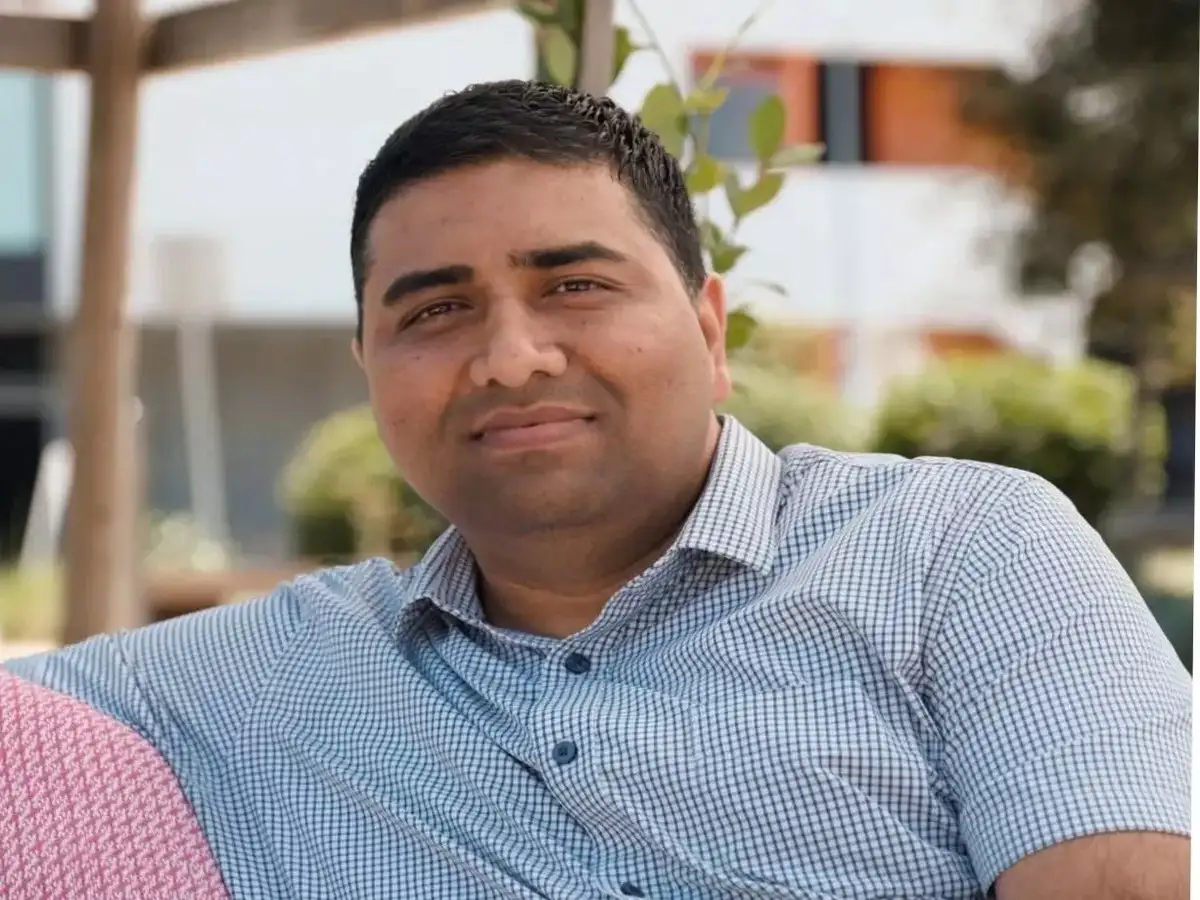
Subramanya’s background fits that product-facing mandate. American Kahani notes that his career has spanned research and engineering leadership roles across major AI organizations, and it highlights an academic track that includes a doctorate in computer science from the University of Washington and early work connected to speech and recognition systems. While Apple did not publish biographical detail beyond his recent roles at Microsoft and Google, the broader portrait that emerges is a leader accustomed to translating advanced machine learning into user-facing features at scale.
Why does this matter beyond Apple? Because the company’s choices set patterns across the sector. Apple’s ecosystem influences how developers build, how competitors position their devices, and how consumers think about what AI should be allowed to do on personal hardware. Apple’s brand is strongly associated with trust and privacy, and its approach to on-device processing and safety guardrails is being watched by regulators, enterprise buyers, and other large consumer platforms. Putting AI model development, research, and safety under a dedicated vice president role inside the software engineering leadership stack telegraphs that Apple expects AI to become a default layer of its operating systems, not an optional add-on.
The move is also a reminder that today’s “AI race” is no longer just about building a model. It is about assembling an organization that can ship features reliably, safely, and repeatedly. In Reuters coverage, Subramanya’s remit is described in operational terms: foundation models, machine learning research, and reporting to Federighi, all while Apple works through competitive pressure from rivals that have moved quickly to market AI-enabled devices and assistants.
For South Asian American visibility, Subramanya’s elevation is meaningful in a particularly consequential part of the tech stack. Vice presidents who oversee platform capabilities can influence not only a company’s products but also the internal culture of what gets built, how it gets tested, and which risks are prioritized. As Apple expands Apple Intelligence, decisions about evaluation, safety, user control, and the boundaries of personalization will determine whether consumers view the technology as genuinely helpful or intrusive. Apple’s announcement makes clear Subramanya will be in the seat for precisely those decisions.
In the months ahead, the practical test will be what changes users experience. Apple has pointed to a more personalized Siri as a near-term goal, and industry reporting has linked leadership changes to the company’s effort to get those improvements back on track. The executive reshuffle will not, by itself, close feature gaps overnight, but it does create clearer accountability: one senior leader, inside the main software engineering organization, tasked with owning the models, the research pipeline, and the safety framework that will define Apple’s next generation of AI capabilities.
Key Takeaways About Amar Subramanya
- Amar Subramanya has joined Apple as vice president of AI, reporting to Craig Federighi.
- Apple announced the change alongside John Giannandrea’s planned retirement in spring 2026.
- Subramanya will lead Apple Foundation Models, machine learning research, and AI Safety and Evaluation.
- His prior roles include senior AI leadership at Microsoft and long-term engineering leadership at Google.
- The move signals Apple’s intent to unify AI execution more tightly with core software engineering.