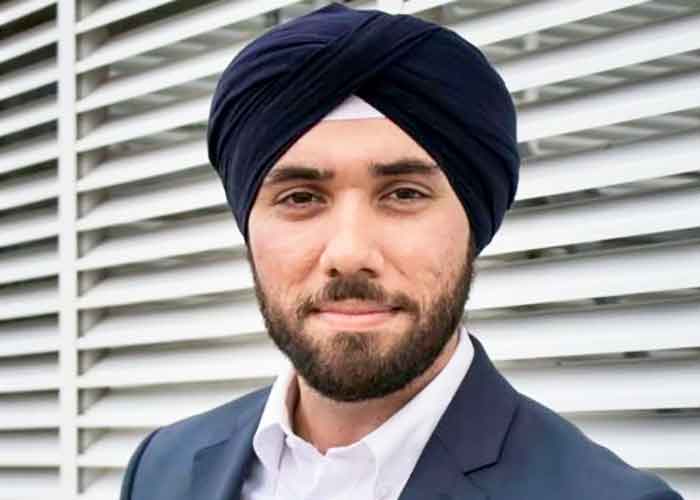
Washington, DC has appointed Sim Attariwal as a commissioner on the District’s human rights body, marking a significant addition to the city’s leadership focused on civil rights, equity, and community accountability. The appointment places Attariwal in a role that helps oversee and advance protections related to discrimination, access, and fairness across one of the most diverse urban populations in the United States.
Human rights commissions play a critical role in translating laws and values into lived outcomes. In Washington, DC, the commission advises on civil rights policy, supports enforcement priorities, and helps ensure that residents across neighborhoods, identities, and income levels can access protections guaranteed under District law. Commissioners are typically drawn from individuals with demonstrated commitment to public service, advocacy, or community leadership, making the role both influential and responsibility-heavy.
Attariwal’s appointment reflects a growing recognition of the importance of lived experience and grassroots engagement in shaping civil rights policy. While many human rights decisions occur through formal legal mechanisms, commissions like DC’s often act as bridges between government systems and the communities they serve. Commissioners help surface emerging issues, advise on systemic gaps, and provide perspective that may not be captured through data alone.
As a South Asian American, Attariwal’s presence on the commission also adds representation from a community that is frequently undercounted in civil rights discourse, despite facing its own set of challenges related to immigration status, language access, religious freedom, and workplace discrimination. In cities like Washington, DC, where global diasporas intersect with federal policy, local human rights leadership can have ripple effects far beyond city limits.
The District of Columbia has one of the most expansive human rights frameworks in the country, covering employment, housing, education, public accommodations, and government services. Commissioners are tasked with helping interpret and strengthen these protections as the city evolves. Issues such as housing affordability, worker protections, disability access, and racial equity continue to shape the commission’s agenda, particularly as demographic shifts and economic pressures reshape neighborhoods.
Appointments to bodies like the human rights commission are often less visible than elections or cabinet roles, but they are no less consequential. These positions influence how laws are applied, how complaints are addressed, and how communities experience justice on a day-to-day basis. Commissioners frequently review policy proposals, engage with advocacy organizations, and contribute to public education efforts aimed at expanding awareness of civil rights protections.
For South Asian Americans, representation in civil rights institutions matters not only symbolically, but substantively. Many discrimination cases never make headlines, yet they shape whether individuals feel safe reporting violations or trust that institutions will respond fairly. Commissioners who understand the cultural, linguistic, and structural barriers faced by immigrant and minority communities can help improve both access and outcomes.
Attariwal’s appointment also fits into a broader national pattern of South Asian Americans stepping into public service roles beyond traditional professional sectors. While the community is often associated with medicine, technology, or business, there has been steady growth in civic engagement through boards, commissions, and advocacy-focused appointments. These roles shape policy at a structural level and help normalize South Asian American leadership across government institutions.
The timing of the appointment is particularly relevant as cities across the country reassess how civil rights frameworks respond to contemporary challenges. From algorithmic bias and workplace surveillance to housing displacement and public safety concerns, human rights commissions are increasingly asked to interpret long-standing principles in new contexts. Commissioners who bring a blend of community awareness and policy understanding are essential to that work.
In Washington, DC, where local governance intersects with national visibility, appointments to human rights bodies carry added weight. The District often serves as a reference point for other cities and jurisdictions, meaning the perspectives brought into these commissions can influence broader conversations about equity and justice nationwide.
Attariwal’s role as a human rights commissioner positions them within this evolving landscape, contributing to decisions that affect thousands of residents and setting precedents for how inclusion and accountability are operationalized at the city level. While much of the work happens outside public view, its impact is felt in workplaces, schools, housing systems, and public spaces across the District.
As ASAN continues to track South Asian American leadership across public institutions, appointments like this highlight the importance of civic participation beyond electoral politics. They demonstrate how representation, expertise, and commitment to community can translate into meaningful influence within government systems that shape everyday life.
Key Takeaways About Sim Attariwal
- Appointed as a human rights commissioner in Washington, DC.
- Serves on a body responsible for advancing and protecting civil rights at the city level.
- Brings South Asian American representation to a key equity and accountability institution.
- The role influences policy guidance, enforcement priorities, and public education.
- Reflects broader growth in South Asian American civic and public service leadership.