A major gift to the David Geffen School of Medicine at the University of California, Los Angeles is set to deepen the pipeline of physician-scientists at a time when academic medicine is under pressure to do more translational research with fewer clinician-researchers. On December 10, 2025, UCLA announced it received a bequest of more than $4 million from the Gambhir Family Trust to support the UCLA-Caltech Medical Scientist Training Program, commonly known as the MSTP.
The bequest will fund two long-term investments in training: a $3 million endowed chair and a $1 million fellowship fund for the UCLA-Caltech MSTP. The MSTP is UCLA’s combined Doctor of Medicine and Doctor of Philosophy pathway, designed to train future leaders who can bridge clinical care and biomedical research. UCLA’s announcement emphasizes that the program is structured to integrate rigorous medical and graduate research training so trainees develop a comprehensive understanding of disease biology and the mechanisms behind diagnosis and treatment.
The trust was established by the late Sanjiv “Sam” Gambhir and his late wife Aruna Bodapati Gambhir, according to UCLA. Gambhir was a UCLA-trained physician and biomathematician who became an internationally recognized leader in molecular imaging and early cancer detection, and he was a graduate of the UCLA-Caltech MSTP. He died in 2020 at age 57. UCLA’s writeup also notes profound personal losses in the family, including the death of Gambhir’s teenage son from cancer in 2015 and the death of his wife from breast cancer in 2023.
In practical terms, an endowed chair and a fellowship do more than add lines to a budget. They provide stable, protected resources that help a training program recruit and retain exceptional talent over decades. An endowed chair can help attract senior leadership and mentorship capacity for trainees, while a dedicated fellowship fund can reduce financial barriers and give trainees more flexibility to pursue high-risk, high-reward research. For programs like MSTPs, that stability can be decisive, because the combined M.D.-Ph.D. track is long and intensive, and the competition for top applicants is national.
UCLA’s MSTP co-directors underscored that point in the announcement, framing the bequest as direct investment in future medical science leaders and in the continuation of Gambhir’s legacy through the next generation of physician-scientists. The emphasis on legacy is not rhetorical. Gambhir’s career was built around the idea that earlier detection and better diagnostic tools can change outcomes, especially in cancer, where time is often the difference between treatable and terminal disease.
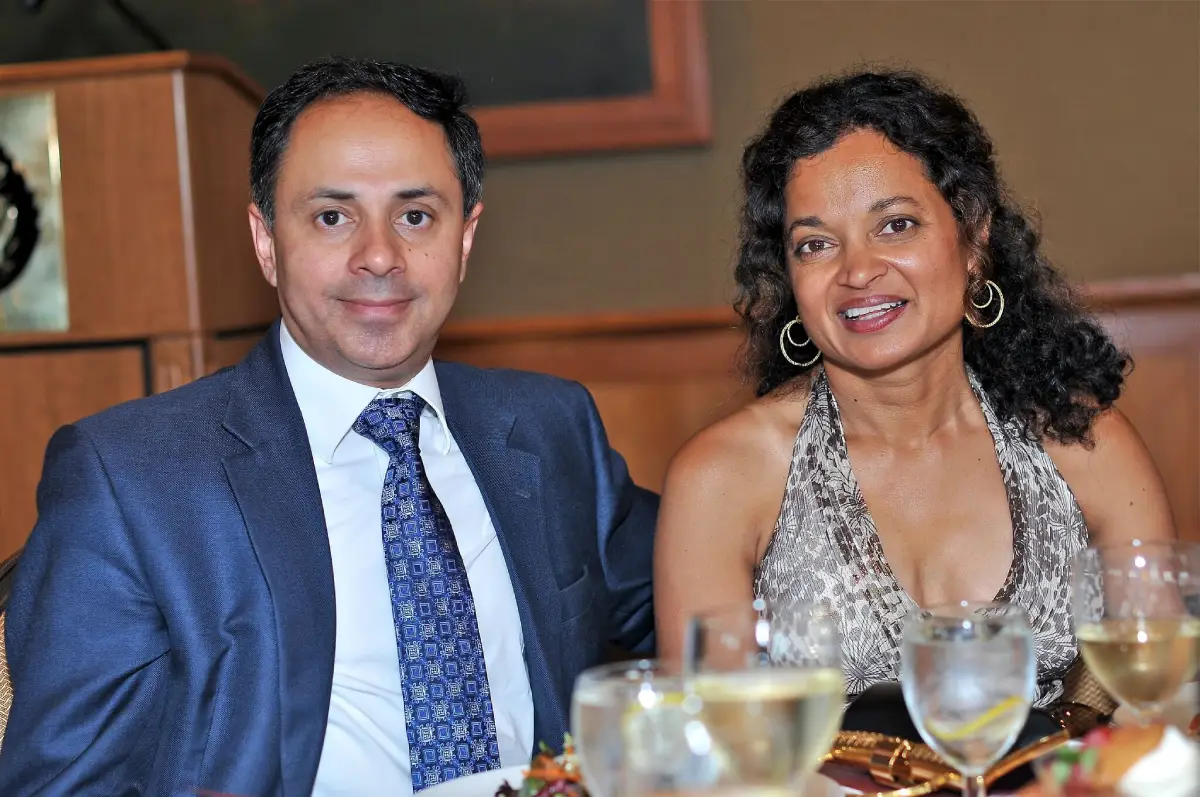
Gambhir’s own path reflects the interdisciplinary mindset that MSTPs aim to cultivate. UCLA notes he was a Phi Beta Kappa physics graduate from Arizona State University, completed a Ph.D. in biomathematics at UCLA in 1990, and earned his medical degree from UCLA in 1993. He was recruited to the UCLA faculty shortly afterward and later held leadership roles tied to molecular imaging efforts, before moving to Stanford University School of Medicine in 2003 to lead the nuclear medicine division.
At Stanford, his portfolio expanded into institution-building: UCLA’s release describes roles that included chair of radiology and leadership of centers focused on early cancer detection and precision health. The announcement also highlights his scholarly and translational footprint, including nearly 700 peer-reviewed papers, dozens of patents, and multiple company startups.Those numbers matter in this context because they signal that the family’s philanthropic choice is tightly aligned with what Gambhir valued: training and infrastructure that help scientific ideas move into tools, trials, and clinical practice.
For ASAN’s South Asian Spotlight lens, the story also reflects the growing influence of South Asian American families in shaping U.S. research and higher education through philanthropy and governance. While many public-facing announcements focus on appointments or elections, major gifts like this one can have similarly durable impact because they create capacity that persists beyond a single term or role. Reputably reported biographical coverage describes Gambhir as Indian American and notes his family’s immigration story, reinforcing the South Asian American identity component when it is not explicitly foregrounded in the UCLA announcement.
The timing of UCLA’s announcement is also notable for what it signals about the evolving narrative around physician-scientist training. Nationally, medical schools and teaching hospitals are seeking ways to protect research time, fund mentorship, and keep clinical innovators in academic careers. Endowed funding is one of the clearest mechanisms to make that possible without relying solely on year-to-year operating budgets or short grant cycles. In that sense, the Gambhir Family Trust’s bequest is both personal and systemic: personal because it honors a family’s lived experience with cancer, and systemic because it strengthens a training model that produces clinician-investigators capable of building the next wave of diagnostic and preventive technologies.
The UCLA announcement includes a statement from Sangeeta Gambhir, Gambhir’s sister and a trustee of the Gambhir Family Trust, who is also described as a UCLA medical graduate. Her comment frames the bequest as a way for Gambhir’s memory to live on through future physician-scientists and patients who benefit from advances in care. It is a reminder that behind institutional gifts are families making deliberate choices about where impact compounds, and in this case, the choice is clear: invest in the training engine that helped shape a scientist whose work was dedicated to finding disease sooner and treating it better.
Key Takeaways About Sanjiv “Sam” Gambhir
- UCLA received a bequest of more than $4 million from the Gambhir Family Trust to support physician-scientist training.
- The gift will fund a $3 million endowed chair and a $1 million fellowship for the UCLA-Caltech Medical Scientist Training Program.
- Sanjiv “Sam” Gambhir was a UCLA-Caltech MSTP graduate and a global leader in molecular imaging and early cancer detection.
- The bequest strengthens long-term training capacity by supporting mentorship and reducing financial barriers for trainees.
- The story highlights the growing role of South Asian American leadership and philanthropy in U.S. higher education and biomedical research.