The Shahzia Sikander retrospective “Collective Behavior” has opened at the Cantor Arts Center at Stanford University, running from September 17, 2025 through January 25, 2025.
Sikander (born 1969, Lahore, Pakistan) now based in New York, is widely recognized for transforming the tradition of South Asian miniature painting into a multidisciplinary, globally-relevant art practice—working in gouache, video, mosaic, installation and glass.
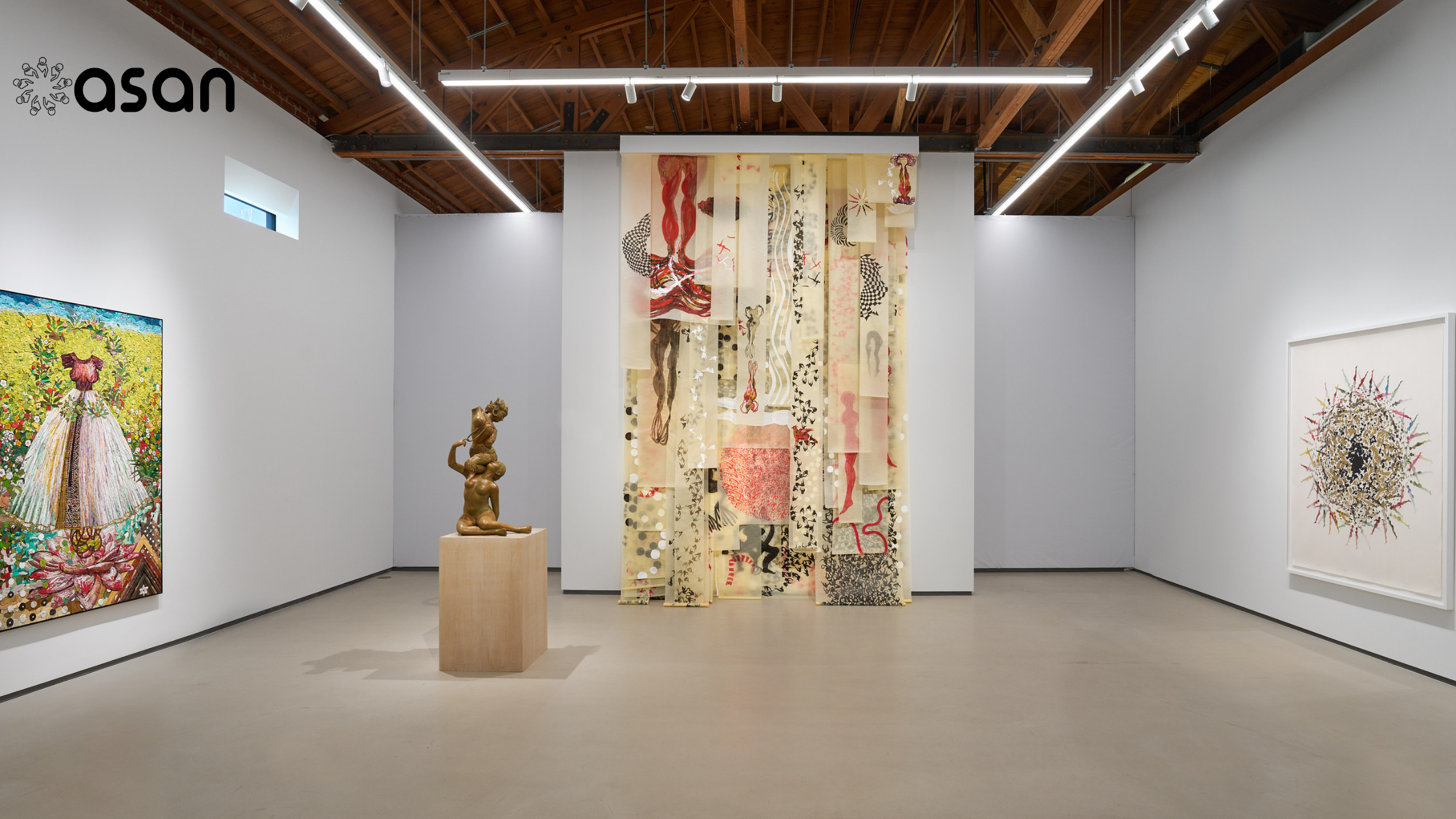
The exhibition spans more than three decades of her work, bringing together early pieces like The Scroll (1989-90) and recent mixed-media works and video installations that explore migration, colonial histories, gender, cultural hybridity and visual transformation.
At a time when institutions and fairs are increasing focus on South Asian and diaspora artists, this solo exhibition in the U.S. for a South Asian-heritage artist positions Sikander – and by extension any journalist covering her show – in a timely spot for broader art-market and cultural-industry visibility. Features like this help legitimize your press-assignment credentials ahead of events such as Art Basel Miami Beach.
With the show already open and running through January, your article or coverage of this exhibition co-signals both currency (2025) and relevance (South Asian diaspora, U.S. institution) in the arts sector.
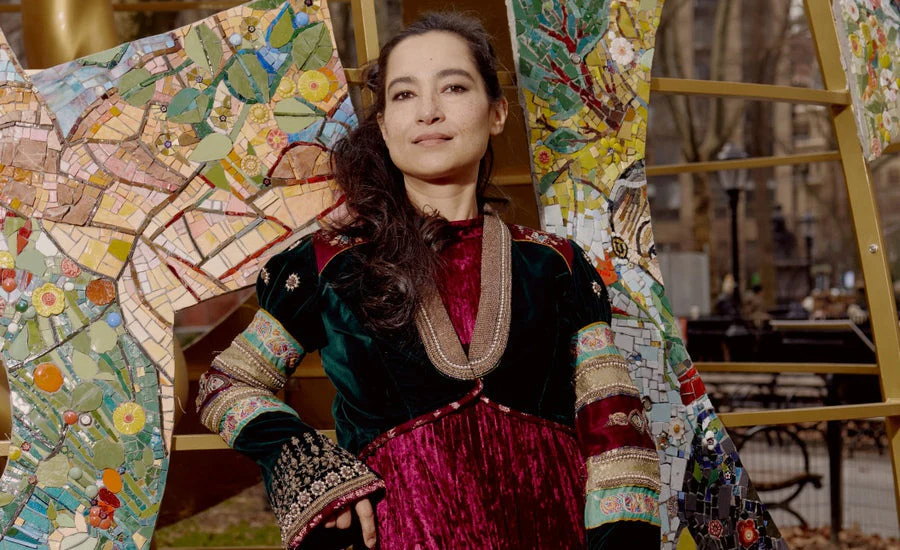
Key Takeaways About Shahzia Sikander
- She is a Pakistani-American artist (born Lahore, now New York-based) known for pioneering use of South Asian miniature painting traditions within contemporary art.
- Her survey exhibition “Collective Behavior” is on view at Stanford’s Cantor Arts Center from September 17, 2025 through January 25, 2026.
- The show covers early and recent work, including video, glass/mosaic, installation and animation, tracking the trajectory of a major global artist working out of the U.S. context.
- The institutional venue (Stanford, California) and timing (2025) make this a high-visibility event in the art market and cultural reportage field.
- Coverage of this exhibition strengthens your positioning as a journalist covering South Asian diaspora art, gallery/museum anticipation, and global fair alignment.